
Corporate Travel to India from Australia - One Consultant
Australian businesses are building in India, and their travel deserves better than a generic booking portal that thinks Mumbai is just another city code. We manage the Australia to India corridor as a speciality, because it is one.
The corridor problem no portal solves
A business flying staff between Australia and India lives with a specific set of frictions. Fares on the corridor swing hard with Diwali, wedding season and school holidays, so the same trip costs wildly different amounts depending on foresight. The best itineraries are often built from wholesale allocations and mixed cabins that never appear on a corporate booking tool. Schedules shift seasonally, especially non-stops. And when something breaks, it breaks at 11pm Sydney time, mid-afternoon in Mumbai, exactly when a portal's support queue is at its least useful.
The big travel management companies solve none of this for small and mid-sized accounts, because the corridor is a niche to them. It is not a niche to us; it is the core of our business, retail and corporate alike. We hold the wholesale relationships on these routes because our whole agency is built on them, and corporate accounts simply plug into that machinery with priority. The proof is cheap to obtain: send us your next India trip and compare the quote against whatever you are using now.
City by city: what your travellers will actually experience
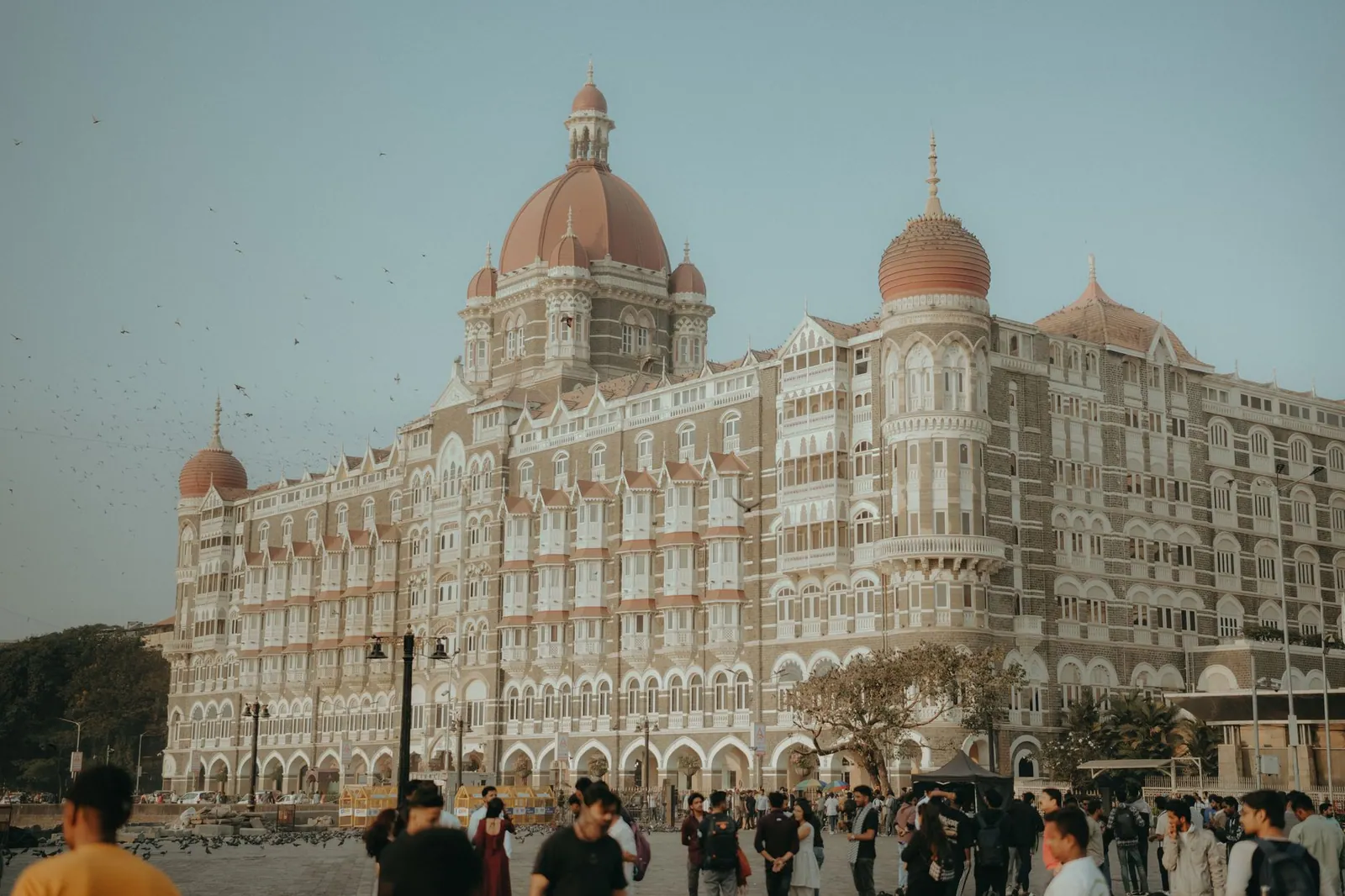
Mumbai is the corridor's anchor and the route where our fare access matters most; premium demand is intense and the difference between published and wholesale business fares is at its widest. We time arrivals around the morning meeting rhythm of the financial district and hold hotels in the pockets that matter, from Nariman Point to BKC.
Delhi serves the policy and enterprise crowd. The non-stop options make same-day-functional arrivals realistic, and through-ticketed connections cover Gurgaon-adjacent travel and the north Indian industrial belt. Late-evening arrivals need transfers arranged in advance, so we arrange them.
Bengaluru is the tech corridor, and the Qantas non-stop from Sydney changed its calculus completely: engineers and executives can leave after a workday and land for a morning standup. When the non-stop's loads price it aggressively, one-stop alternatives via Singapore keep the corridor honest, and we quote both every time.
Chennai and Hyderabad carry manufacturing, pharma and services traffic. Connections via Singapore and Kuala Lumpur do the work, timings matter more than brands, and our job is mostly protecting travellers from the itineraries that look fine on a screen and feel terrible in a body.
For every city, domestic Indian onward sectors ticket through with the international journey, which protects the connection, checks bags through, and puts the disruption risk on the airline rather than on your traveller.
What an account with us actually looks like
There is no onboarding project and no software rollout. You send trips; we return options within 2 business hours, booked once approved, documented cleanly for your accounts process. Over the first few trips we learn the things portals never hold properly: who needs aisle seats, who is vegetarian, which traveller will always take the earlier connection, which cost centre pays for which project's travel. From then on, a booking request can be one sentence long.
Changes are the service's heart. Fare classes are chosen at booking for how gracefully they change, not just their price, because on the India corridor meetings move and factories reschedule. When they do, the rework happens directly with the airline while your traveller stays in the meeting that caused it. After hours, the corridor's time zones are our working reality rather than an inconvenience, and travellers carry a direct contact rather than a case number.
Invoicing consolidates per trip, per traveller or per cost centre, in whatever shape your bookkeeper prefers. A company card on file can cover every approved traveller with itemised reconciliation, ending the ritual of staff fronting airfares and chasing reimbursement. The full mechanics are on our corporate travel page; this page exists because the India corridor deserves its own conversation.
Anatomy of a rescued trip
A composite from many real weeks, because the value of this service is clearest in motion. A Melbourne engineering firm has two staff mid-trip: one in Chennai finishing a factory acceptance test, one flying into Mumbai that evening for a client workshop. At 4pm India time the Chennai test overruns by two days, and an hour later the Mumbai-bound flight loses its connection in Singapore to a mechanical delay.
A portal answers this with a chat widget and a queue. What actually happens with us: the Chennai traveller's return is pushed two days on the same fare class, chosen at booking because it changes without drama, and the hotel is extended in the same email. The Singapore problem is solved before the traveller lands there, rebooked onto the next departure with the connection protected by the through-ticket, and the Mumbai hotel is told to hold the room for a late arrival. The client workshop starts forty minutes late instead of a day late. Both travellers dealt with one person they already knew, in a time zone where that person was awake, and the firm's office manager heard about all of it the next morning as a summary rather than living it as a crisis.
Nothing in that story is heroic. It is just what the corridor requires, done by people whose working day overlaps the problem. That is the product.
The patterns that save corporate India budgets
Three habits separate the companies that fly this corridor cheaply from those that fund the airlines' yield management. First, booking rhythm: trips planned even three to four weeks out access dramatically better inventory than the week-of scramble, so we nudge account contacts with fare intelligence when we see windows worth taking. Second, cabin strategy: business class on the overnight sector and premium economy or economy on the daytime leg preserves arrival condition while trimming the premium bill, and travellers rarely feel the difference. Third, season awareness: October to February is the corridor's crush, and moving a flexible workshop from November to early March is often the single largest saving available to any Australian business operating in India.
Group movements follow their own rules again: project teams, conference delegations and incentive trips of ten or more unlock block fares and held space through our group travel service, which pairs naturally with the corporate account.
None of this requires commitment to test. Pick the next India trip on your calendar, send it through the quote form or straight to a consultant, and judge the fares, the speed and the service against your current arrangement. Corridor specialists win that comparison often enough that we are happy to invite it.