
Premium Economy Flights from Australia - When It's Worth It
More seat, better food, priority handling and a fare that sits far closer to economy than to business. On the right route, premium economy is the best value cabin in the sky.
What the cabin actually feels like, hour by hour
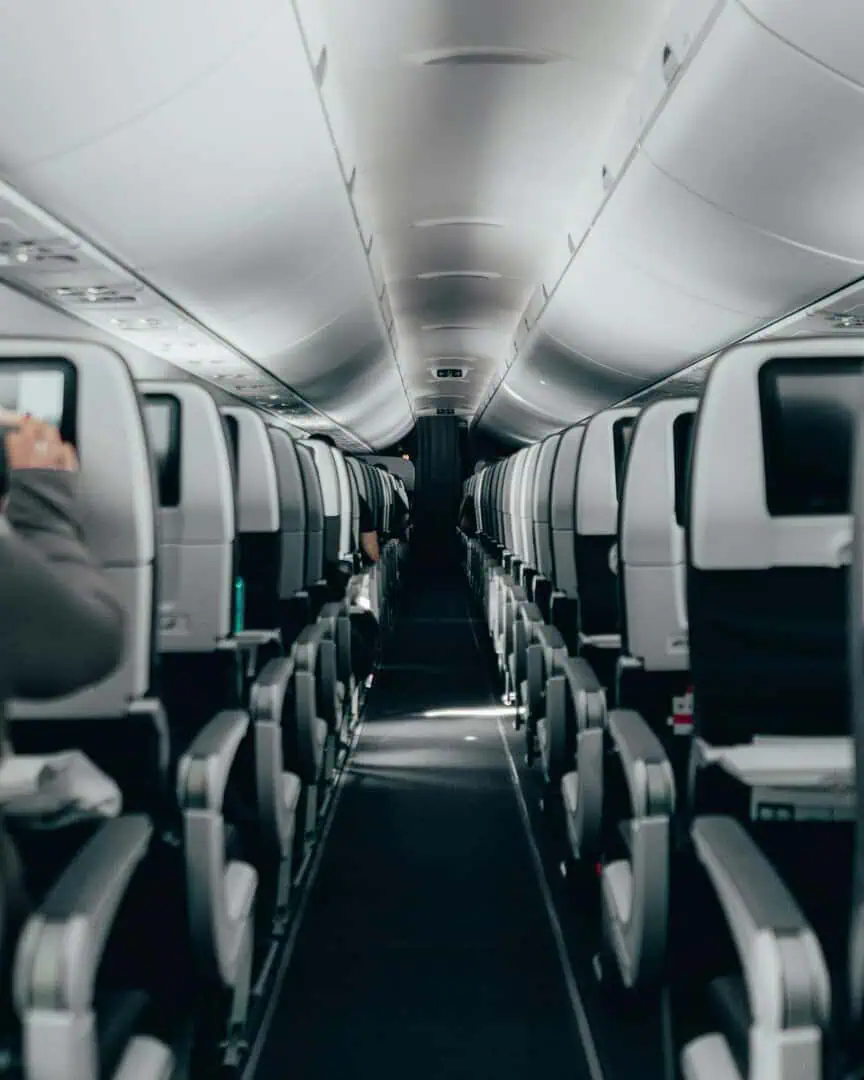
Boarding happens with the priority group, which means overhead locker space still exists. The seat is wider than economy by a hand's width and reclines into something closer to an armchair than a chair, with a leg rest that matters more than it sounds after hour eight. Meals arrive on real crockery on most carriers, from a menu a notch above the back cabin, and the smaller cabin means service finishes quickly and lights dim early. Nobody pretends it is a bed; what it is, reliably, is the difference between arriving stiff and arriving fine, which for a holiday's first day or a meeting's first hour is the entire point.
When premium economy is the right call
Premium economy earns its keep on flights over about eight hours, which covers everything Australians care about: India, North Asia, Europe and North America. The seat will not turn into a bed, but the extra width, legroom and quiet cabin transform how you land, and the fare is usually far closer to economy than business.
Where we see it work best:
- Non-stop India flights. Twelve-plus hours in one sitting is where the bigger seat pays for itself. Popular with parents flying to family and travellers with long drives after landing.
- The long leg of a Europe trip. Premium economy to the hub, economy on the short European hop. Nobody misses the big seat on a two hour flight.
- Special occasions on a sensible budget. Honeymoons and anniversaries that want comfort without the business class bill.
- Tall travellers, always. The single most cost-effective legroom purchase in aviation.
- The recovering and the recently operated. Doctors clear the flight; premium economy makes it survivable. Tell us the situation and we will match the seat and the assistance to it.
Airline by airline: how the cabins compare
Premium economy is the least standardised cabin flying, which is exactly why a shortlist helps:
- Singapore Airlines sets the benchmark on the routes Australians fly most: a genuinely separate small cabin, calf rests and generous recline, and the clever Book the Cook meal pre-ordering that borrows from business class. Via Changi to India, Asia and Europe, it is our most recommended premium economy full stop.
- Cathay Pacific runs it close, with a quiet cabin, excellent seat width and Hong Kong's lounges available to arriving connections. Often keenly priced against its reputation.
- Emirates brought its premium economy in newer and plusher than most, with the A380 cabin drawing particular praise; strong on the Europe runs and to Dubai itself.
- Qantas offers familiar comfort and the advantage of the non-stop network, including Sydney to Bengaluru; its premium economy earns solid points and status credits for frequent flyers building a balance.
- Air India has premium economy across much of its refreshed fleet, including the Australia non-stops, which puts the bigger seat on the shortest possible India trip: a combination nobody else can sell.
- Thai, Malaysia Airlines and others field variable products by aircraft type. This is where an agent genuinely earns the fee nobody pays us: we know which specific routes fly which cabins and will not sell you a premium fare on a seat that does not deserve the name.
Route by route: where we recommend it most
Australia to India is the honest sweet spot: 12-plus hours non-stop, or a long first leg via Asia, flown heavily by parents and grandparents for whom the wider seat is not indulgence but arthritis management. Australia to Europe is the marathon where premium economy on the long leg via a hub changes the whole trip; pair it with economy on the short second sector and the blended price often surprises. Australia to North America crosses overnight against the clock, and the extra recline is the difference between landing functional and landing folded. Shorter hops, Bali, Singapore as a destination, New Zealand, rarely justify the premium unless the fare gap is trivial or the occasion is not.
Getting it for less: the honest tactics
- Ask for wholesale first. The published premium economy fare is the sticker price; the allocation fare we hold is frequently a bracket lower. This is the single biggest lever and it costs one quote request.
- Mixed cabins beat uniform ones. Premium economy where the night is, economy where the daytime hop is. Airlines price the halves separately; we assemble them deliberately.
- Fly the quiet days. The premium cabins are small enough that mid-week departures do not just price better, they sit emptier, which effectively upgrades the experience again.
- Mind the aircraft, not just the airline. The same carrier can fly different premium economy products on different days of the week. We check the equipment before we quote, which is a sentence no booking site can say.
- Upgrades are a strategy, not a lottery. Certain economy fare classes upgrade to premium economy with points at sane rates; booking the right underlying fare on purpose beats hoping at the check-in counter. Tell us your frequent flyer situation and we will build for it.
Who should skip premium economy
Honesty both ways: travellers who sleep easily anywhere are paying mostly for width they will not remember; families whose budget covers premium economy for two OR economy for four should take the togetherness; and flyers on daytime hops under eight hours will land equally cheerful from row 48. Premium economy is a tool for long overnight sectors, tall frames, older joints and special occasions. Used there, it is the best-value cabin in the sky; used everywhere, it is just a dearer seat.
The wholesale angle
Premium economy cabins are small, usually 20 to 40 seats, and airlines manage them carefully. That cuts both ways: published fares can spike absurdly, but agents holding wholesale space can quote calm numbers on the same flights. It costs nothing to check: ask for a premium economy quote and we will show you economy, premium economy and business side by side so the value judgement is yours.
One last honest note: premium economy is also the cabin airlines most often quietly discount through agents, precisely because travellers do not think to ask. The published gap between economy and premium economy is the reason most people never click the tab; the wholesale gap is frequently a different conversation entirely. Ask, compare, then decide. Want the full flat-bed picture too? Read our business class guide next, or jump straight to a two-cabin quote and see both numbers side by side.