
Phuket Travel Guide - Which Beach and When to Go
Phuket has a reputation Australians either love or avoid, and both camps are reacting to the same two kilometres of it. The island is large, the beaches are nothing like each other, and choosing the wrong one is the only real way to get this holiday wrong.
Patong is not Phuket
Almost every argument about this island is really an argument about one beach.
Patong is loud, neon, dense with bars, and it is roughly two kilometres long. It is what people mean when they say Phuket is ruined, and it is what people mean when they say Phuket is a great night out. Both are correct about Patong.
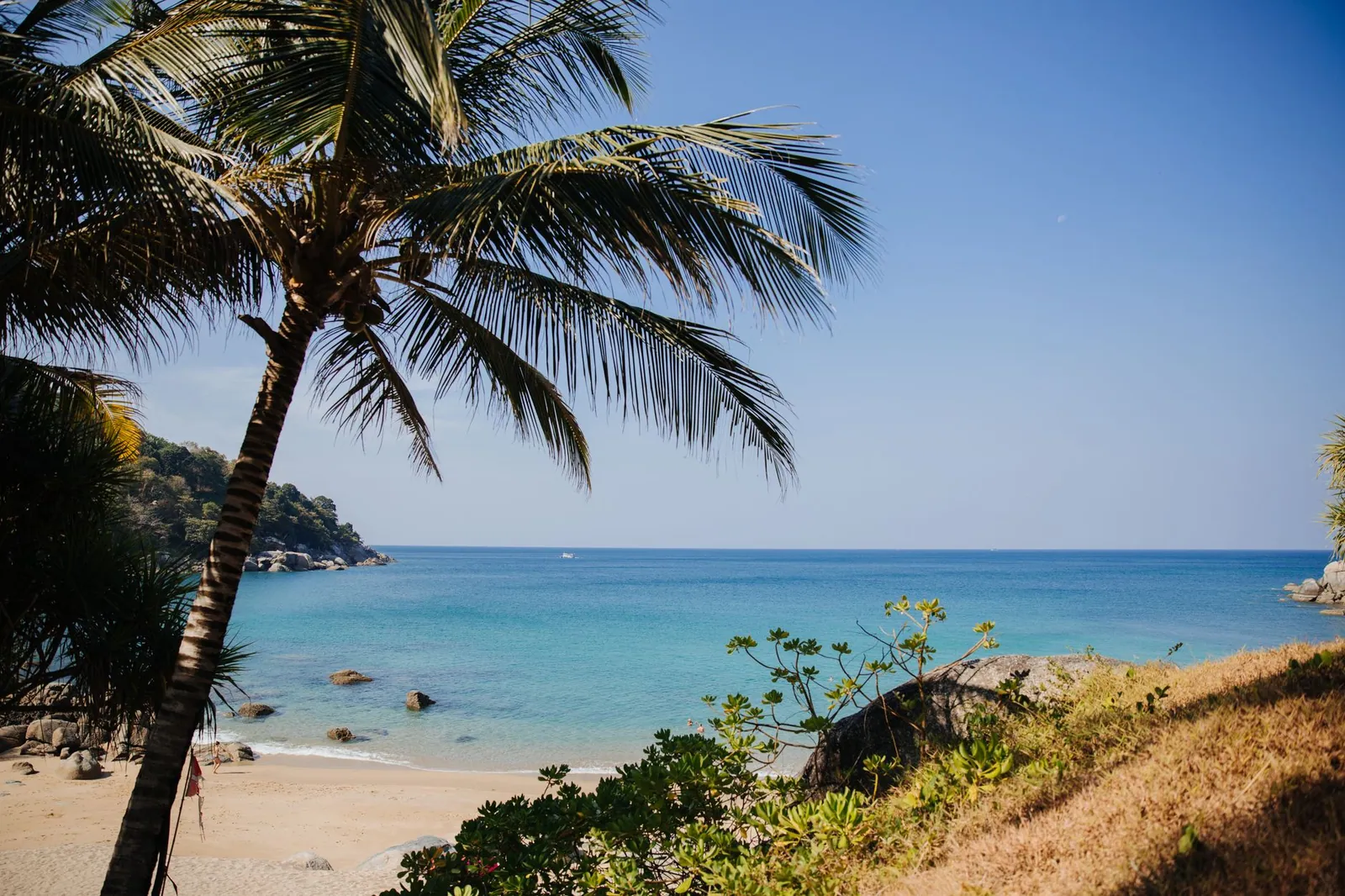
The island is about fifty kilometres from top to bottom. Drive fifteen minutes from Patong in either direction and you are on a beach where families are eating pineapple under an umbrella and longtail boats are moored in the shallows and nobody is trying to sell you anything.
So the single decision that determines your Phuket holiday is not the resort. It is the beach. Get that right and this is one of the best-value tropical weeks available from Australia. Get it wrong and you will spend seven nights next to a very loud street. Ask us which beach fits your trip.
The beaches, honestly
Kata and Karon are the sensible middle and where we send most people. Long, sandy, plenty of accommodation at every level, good food, calm water in the dry season, walkable, and busy without being aggressive. Kata is smaller and slightly nicer; Karon is longer and quieter at the ends.
Nai Harn is the local favourite: a beautiful bay at the southern end, a lagoon behind it, less development, and Thai families on the sand at the weekend. Our pick if you have a car or do not mind being a bit removed.
Kamala and Surin are quieter and a step upmarket, with less to do and better places to do nothing. Good for couples.
Bang Tao and Laguna are the big-resort strip in the north-west, which suits people who intend to stay on the property and never leave it. Closest to the airport, which matters more than you would think.
Rawai is not really a swimming beach, and that is why it is interesting: it is where the boats go from, the seafood market is excellent, and it feels like a place people live.
Patong if the nightlife is the actual reason for the trip. It is not a moral failing. It is just a specific choice and it should be made deliberately.
Old Phuket Town is the one nobody books and it is genuinely lovely: Sino-Portuguese shophouses painted in pastels, a Sunday walking street, good coffee, and a food scene that has nothing to do with the resorts. Stay two nights here at the end of the trip and you will have seen an island most visitors miss entirely.
The red flags are not decoration
This is the serious part of this page and we would rather over-say it.
The west coast of Phuket develops genuinely dangerous rip currents in the monsoon months, and people drown here every year. Some of them are Australians, and some of them are strong swimmers, and the two facts are related: we grow up on patrolled beaches with flags and lifesavers and we quietly believe our beach competence transfers.
It does not. Most beaches here have no patrol. The red flags mean do not enter the water, and they are placed by people who watched what happened last week.
If a flag is red, the swim is not available. That is the whole rule. Sit on the sand, use the pool, and know that the sea being flat where you are standing means nothing about the current thirty metres out.
The same applies to hiring a motorbike, which is the other thing that hurts Australians here, and which most travel insurance will not cover you for without the right licence. Read your policy rather than assuming.
The two monsoons decide the trip
November to April is the dry season on this coast. Calm water, reliable sun, everything open, boats running. December to March is the peak, with the prices and crowds that implies, and it is peak for a good reason.
May to October is the southwest monsoon. Heavy rain, rough seas, the dangerous currents described above, and some island trips cancelled because the boats cannot run.
Now the honest counterpoint, because we book plenty of monsoon trips. The rain is not constant. It arrives in dramatic bursts and the sun comes back. The island is green and half empty, the prices fall a long way, and a resort holiday where you move between a pool and a restaurant is barely affected. What is affected is the sea, and the island hopping, and that is exactly the thing most people came for.
So the rule: if the boats and the beach are the holiday, come in the dry season. If the pool and the food and the massage are the holiday, the monsoon is excellent value and we will happily book it.
Thailand's east coast, incidentally, runs on a different pattern, which is why Koh Samui's season does not match Phuket's. Our flights to Thailand page covers the corridor.
The islands, and the Phi Phi problem
The limestone karst scenery around here is the genuine wonder of southern Thailand, and it is why Phuket beats a lot of comparable beach destinations.
Phi Phi is the famous one. It is beautiful and it is extremely busy, and the standard day tour delivers you to the famous bay along with a great many other boats at the same hour. Numbers have been restricted at times to let the reef recover, which is a good thing and which changes what is available. If you go, go with an operator that starts early or arrives late, and adjust the expectation from "paradise" to "beautiful place with people in it".
Krabi and Railay are, in our honest view, better: the same karst, fewer boats, and Railay is a peninsula reachable only by longtail, which keeps it sane. If the islands are the point of your trip, consider basing yourself at Krabi and treating Phuket as the airport you flew into.
Phang Nga Bay is the one with the sea stack in it, and the sea kayaking through the caves at the base of the karsts is genuinely one of the best half-days in Thailand.
Similan Islands for diving, seasonal, and the real thing.
Coral Island and Racha are the close, easy options for a first boat day.
Eating, which Phuket does better than its reputation
The food here is southern Thai and it is fiercer than Bangkok's: more turmeric, more chilli, more coconut, a lot of seafood.
Massaman curry is southern and it is the one with the Persian ancestry, mild and rich.
Gaeng som is a sour orange fish curry and it will hurt you and you will order it again.
Roti from a night stall, sweet with condensed milk and banana, is the correct end to an evening.
Old Phuket Town's food is the best on the island and none of it is at a resort. The Sunday walking street market is the easy way in.
The seafood at Rawai is bought at the market and cooked for you by the restaurants opposite, which is the most direct food transaction available anywhere.
Avoid the beachfront places with photographs on the menu and a man outside inviting you in. That is a universal rule but it is especially true here.
The practical bits
The airport is a long way from most beaches. It sits in the north; Kata, Karon and Nai Harn are a genuine drive, an hour or more with traffic. Bang Tao and Kamala are much closer. For a late arrival, this matters.
The taxis are expensive by Thai standards and the ride-hailing situation has been complicated. It is the one thing on Phuket that is not cheap, and it is a long-standing local irritation. Factor transport into where you stay.
Old Phuket Town is where the island keeps its personality. Two nights, at the end.
Nothing here needs booking from Australia except the flights and the first hotel. The boat trips, the massages, the food and the elephant sanctuaries can all be arranged on the day, and doing so is cheaper and lets you read the weather. If you do book an elephant experience, book a genuine sanctuary where nobody rides anything.
Send us your dates and tell us what the week is meant to feel like rather than a resort name, and we will tell you which beach that describes. Get a free Thailand quote.