
Amritsar Travel Guide - the Golden Temple and Beyond
Amritsar holds the holiest site in the Sikh world, the most theatrical border ceremony on earth and arguably the best food in India, all in a city compact enough to walk. For thousands of Australian Punjabi families it is simply home; for everyone else it is a revelation.
Start with the reason: Harmandir Sahib
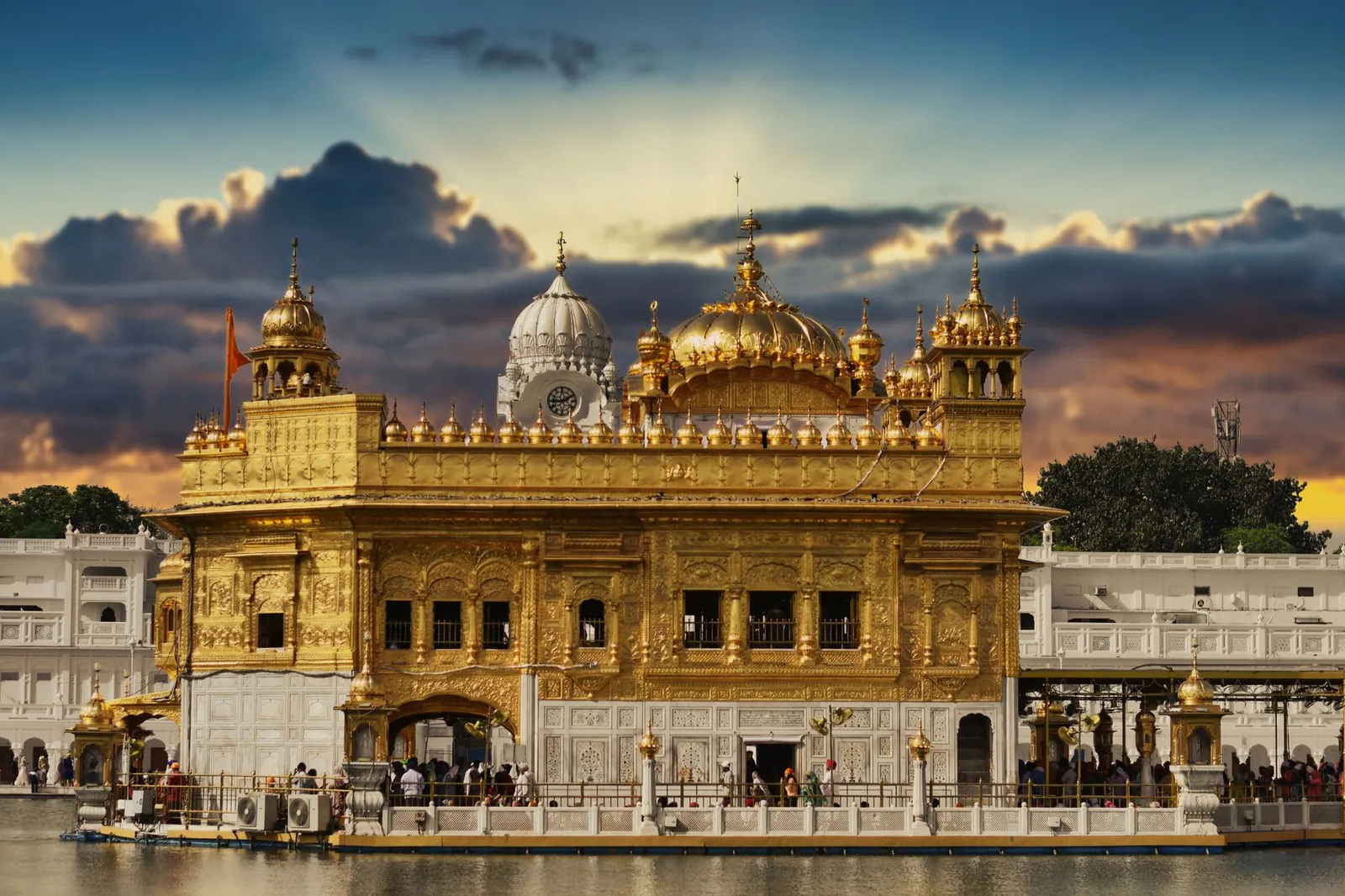
Everything else in Amritsar orbits the Golden Temple, and it deserves more than the two hours a tour bus allots. The complex is open long before dawn and late into the night, free to enter, and completely different depending on when you come. At 5am the sanctum glows against a dark sky while hymns carry across the water; mid-morning brings the full sensory crush of pilgrims, colour and devotion; and at dusk the gold doubles itself in the pool as the evening prayers begin. Serious advice: visit at least twice, once early and once at night, and build the rest of your itinerary around those visits rather than squeezing the temple between other stops.
The etiquette is simple and non-negotiable: head covered (free scarves at every gate), shoes and socks deposited at the free counters, feet washed at the entrance channels, modest dress, and silence-adjacent behaviour inside the sanctum. The queue for the sanctum itself can run past an hour in the middle of the day, which is another argument for the dawn visit, when it shortens dramatically.
Then there is the langar. The temple's community kitchen serves free meals to everyone who sits down, tens of thousands of people daily, in a rolling choreography of volunteers that has run for centuries. Join it. Sit in the rows, accept the dal and roti, and afterwards wander into the dish-washing hall where visitors are welcome to pitch in. No experience in India says more about the place, and it costs nothing but humility.
The rest of the essential Amritsar
Jallianwala Bagh, two minutes' walk from the temple, is the garden where British troops massacred hundreds of unarmed civilians in 1919. The bullet marks remain in the walls. It is a heavy, necessary visit, and its position beside the temple means there is no excuse to skip it.
The Partition Museum in the restored Town Hall tells the story of 1947 through survivor testimony, documents and objects. For Australian visitors with Punjabi heritage this can be intensely personal; for everyone else it explains the region more clearly than any guidebook. Allow ninety minutes.
The Wagah border ceremony closes the India-Pakistan frontier each evening with synchronised high kicks, competitive moustaches and crowds chanting on both sides of the gate. It is nationalist theatre, knowingly performed, and enormous fun. Go once, book transport ahead, arrive early for security, and take water; the stands are exposed.
The old city bazaars between the temple and the Hall Gate sell everything Punjabi: juttis (embroidered shoes), phulkari dupattas, wedding fabrics and steel kitchenware from Jandiala's craftsmen. Haggling is expected, gentle and good-natured here compared to the tourist markets of Delhi.
Eat like the city depends on it, because yours does
Amritsar has a serious claim to India's best food city title, and its signatures are not optional. Amritsari kulcha, a blistered, butter-heavy stuffed bread from a proper wood-fired oven, is breakfast; the famous establishments each have their loyalists and none will steer you wrong. Follow it with lassi served in a steel tumbler with a ladle of malai on top. Lunch happens at the langar at least once. Dinner means tandoori fish or chicken from the old-city institutions, and sarson da saag with makki di roti if you are there in winter, when Punjab's mustard fields end up gloriously on its plates.
The practical rules: eat where locals queue, start gently on day one, stick to bottled or filtered water, and treat the street-side sweets counters with the seriousness they deserve, especially the jalebis pulled hot from the oil at dawn near the temple. A guided food walk on your first evening pays for itself in confidence for the rest of the trip; the food tours here are run by people evangelical about their city, and the tour widgets below this guide cover the reliable operators.
When to go, month by month
| Months | What you get |
|---|---|
| October to November | The sweet spot. Mild days, Diwali and Bandi Chhor Divas illuminations at the temple, harvest energy across Punjab. Peak flight demand; lock a fare early. |
| December to January | Cold, foggy mornings and near-freezing nights, but the temple in winter mist is unforgettable and Lohri (January) brings bonfires and celebration. Pack proper layers. |
| February to March | Excellent weather returning, Hola Mohalla's martial displays at nearby Anandpur Sahib for the adventurous, and gentler fares before the wedding rush ends. |
| April | Vaisakhi, Punjab's harvest festival and the Sikh new year, is Amritsar at maximum joy. Hot by afternoon; mornings are golden. |
| May to June | Fierce heat, 40-plus days. Temple visits move to dawn and night. Only for the committed. |
| July to September | Monsoon: green fields, humid air, fewer visitors and the marble slick underfoot. The city functions normally; sightseeing just sweats more. |
Where to stay
Stay close to the temple if atmosphere is the point: heritage havelis and mid-range hotels within the old city put you five minutes from the parikrama for those dawn and midnight visits, at the cost of some noise and narrow-lane logistics. The Mall Road and Ranjit Avenue districts offer the comfortable international-style hotels, quieter nights and easy parking, fifteen minutes from the action. Families visiting relatives often need neither, but for everyone else the honest rule is: first visit, stay near the temple; return visit, take the quieter bed.
A two-day shape that works
Day one, inward. Dawn at the Golden Temple, kulcha breakfast, the Partition Museum mid-morning while the day heats up, Jallianwala Bagh after lunch, bazaar wandering through the afternoon, and the temple again at night for the evening ceremony, when the crowds soften and the gold burns against the dark.
Day two, outward. A slow morning (second kulcha; different establishment; compare), the Durgiana Temple and Gobindgarh Fort if energy allows, then the afternoon convoy to Wagah for the border ceremony, and a final old-city dinner. Travellers with a third day add the rural Punjab experience: village tours, tractor rides and pinnis pressed on you by someone's grandmother.
Getting there from Australia
Amritsar's airport is well connected without being directly connected: the workable patterns from Australia are one stop via a Southeast Asian hub, or through Delhi with the short domestic hop protected on a single ticket, which matters when the international leg runs late. Demand peaks hard around Vaisakhi, Diwali and the winter wedding season, when Melbourne and Sydney's large Punjabi communities fly home together and fares reward the organised. Flights land into the broader India network we price daily, and pairing Amritsar with Delhi (a comfortable train or short flight away, and covered in our Delhi guide) makes a natural first-timer's north India loop.
Fares move constantly and are quoted individually: request your Amritsar fare quote and a consultant who books this corridor every week will reply within 2 business hours with wholesale options, baggage allowances that survive the wedding shopping, and honest advice on the routing that fits your dates.