
Cheap Sydney to Auckland Flights - 3 Hours Non-Stop
Three hours, no jet lag, and the easiest international flight an Australian ever takes. Which is exactly why two things go wrong on it: a visa rule nobody expects, and an itinerary shape that quietly costs you a day.
Full price in AUD with baggage and meals included | Reply within 2 business hours | No obligation
Airlines we book on this route
We quote every full-service option and tell you honestly which is the best value for your dates. We do not publish fares because they change daily and the sharpest prices are unpublished wholesale fares. Ask us for today's best price.
| Airline | Typical routing | Good to know |
|---|---|---|
| Air New Zealand | Non-stop | The incumbent and the one with the network on the other side. Star Alliance, and the Skycouch is genuinely useful for families on longer sectors. |
| Qantas | Non-stop | The Australian option and the one that keeps status credits at home. On a three-hour sector, the schedule matters more than the cabin. |
The easiest flight, and the two things that go wrong
Three hours. No meaningful jet lag. Same-ish language, same power plugs, no visa for most of us, and a departure board that treats it like a domestic run.
Sydney to Auckland is the easiest international flight an Australian ever takes, and that is exactly why two things go wrong on it. Both are avoidable and neither is about the airline. Ask us to build the New Zealand trip.
Problem one: the visa rule nobody expects
This is the important one and it costs people flights at the airport.
Australian citizens do not need a visa or an NZeTA for New Zealand. You can go, you can live there, you can work there.
Australian permanent residents who are not Australian citizens generally do need an NZeTA arranged before departure, and airlines enforce it at check-in.
That distinction catches families out constantly, and the pattern is always the same: one member of the household holds an Australian passport, another holds an Indian, British, Filipino or other passport with Australian residency. Everyone assumes the trip is as frictionless as it is for the Australian citizen. One person gets refused boarding.
An NZeTA is quick and inexpensive to arrange in advance and a very expensive thing to discover at the airport at six in the morning.
So the rule is simple: if your household's passports are not all the same, check every single one before you book anything. It takes ten minutes. This is exactly the sort of detail we go through when we quote, and it is a good illustration of the point our why use a travel agent guide argues.
Problem two: the shape of the trip
Here is the thing that quietly costs almost every Australian a day of their New Zealand holiday.
They fly into Auckland and out of Auckland.
New Zealand is long, and the good bits are spread along it. So the standard itinerary goes: land at Auckland, work your way south to Rotorua, Wellington, the South Island, Queenstown, and then fly all the way back to Auckland to go home. That backtrack is a full day of a ten-day holiday, and it is a day spent looking at the inside of an aircraft you have already been on.
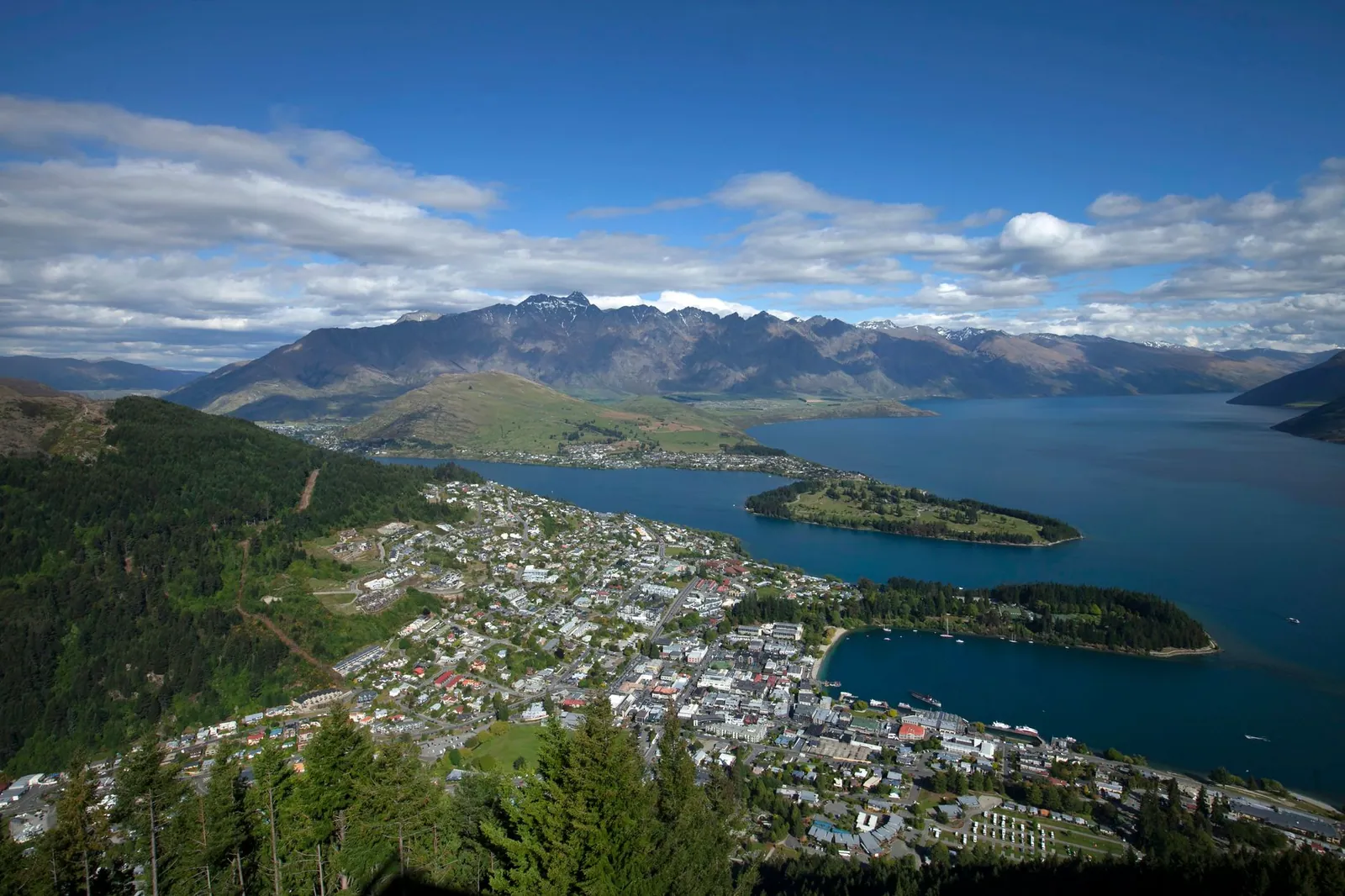
The fix is an open jaw: in at Auckland, home from Queenstown or Christchurch. It removes the backtrack entirely and it usually prices similarly to a return.
Booking sites price open jaws badly when they price them at all, because they are built around "where are you going and when are you coming back", and the answer "different places" breaks the box. It takes us five minutes. It is genuinely the single most useful thing we do on New Zealand itineraries, and hardly anyone asks for it.
Auckland is a door, and the country is the point
While we are being honest: give Auckland two days, not five.
That is not a criticism. Our Auckland travel guide makes the case for those two days properly, and they are good ones for reasons that have nothing to do with the brochures: the city is built on roughly fifty volcanoes and you can walk up several of them; Rangitoto, the island in the harbour, erupted about six hundred years ago and Māori watched it happen; and the isthmus is narrow enough that you can stand on a black-sand Tasman beach and a white-sand Pacific beach on the same day.
But New Zealand's case is made in fiords, on volcanic plateaus, in beech forest and on empty coast roads. Travellers who allocate Auckland five days invariably tell us afterwards that three of them belonged somewhere else.
Two days. Then go.
The cabin does not matter here
We sell premium cabins. On this route we will talk you out of one.
Three hours is a film and a meal. There is no sleep to protect, no time zone to fight, and nothing a flat bed can do for you that a normal seat cannot. Our is business class worth it guide draws the line at around seven hours, and this route is nowhere near it.
What does matter is the schedule. A good departure time turns the travel into a morning; a bad one turns it into a day. On a three-hour sector, the clock is the entire product.
So the advice on this route is consistently: spend nothing on the flight, and spend the difference on getting the New Zealand itinerary right. That is precisely the opposite of what we say on the India and Europe corridors, and it is why a rule of thumb is no substitute for looking at the trip.
The two airlines
Air New Zealand is the incumbent and it is genuinely one of the better-liked airlines flying anywhere. Its real value on this route is the network on the other side: if your trip continues to Queenstown, Christchurch or the Pacific, this is the carrier with the connections. It is in Star Alliance. Our Air New Zealand page covers the Skycouch, which is a clever idea and belongs on longer sectors than this one.
Qantas is the Australian option and the one that keeps your status credits at home. Our Qantas page covers the airline.
Both are fine. On a three-hour hop, the deciding factors are the schedule, the fare and which programme your points live in, in roughly that order.
When to go
Autumn, March to May, is our quiet recommendation: settled weather, thinner crowds, softer fares, and the colour in Central Otago is genuinely worth planning around.
December to March is summer and it is the peak, colliding with the Australian school holidays.
Winter is excellent if you are going for snow and it is when the fares are friendliest otherwise.
And the local line about four seasons in one day is a genuine forecast rather than a joke. Pack a jacket in every month of the year.
Booking tips for this route
- Check every passport in the household. Australian citizens need nothing; Australian PRs generally need an NZeTA. This is the whole first half of this page.
- Ask for the open jaw. In at Auckland, home from Queenstown, and you save a day.
- Do not buy a premium cabin for three hours. Spend it on the ground instead.
- Give Auckland two days, not five.
- Book the schedule, not the airline. On this sector the departure time is the product.
- Autumn is the value window and the weather is at its most reliable.
Fares move daily and price individually: request your free Sydney to Auckland quote and a consultant replies within 2 business hours with the fares in Australian dollars, the open-jaw version priced alongside the return, and every passport in your party checked against the entry rules before you pay for anything.