
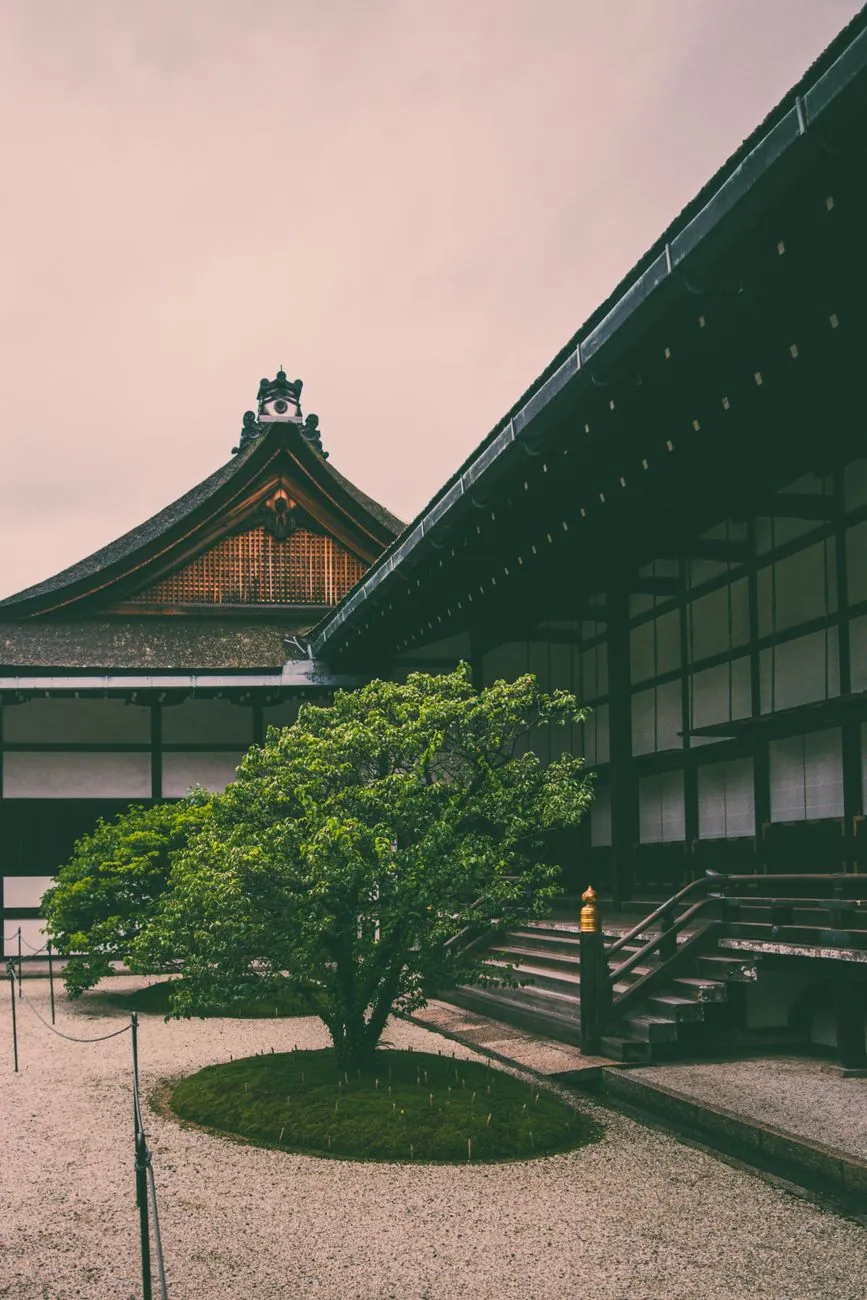
Best Time to Visit Japan - Blossom, Autumn and Golden Week
Everyone wants cherry blossom and almost nobody understands what they are booking: a date nobody can predict, a window of days, at the most expensive time of the year. There is a better season and it is barely a secret.
The lottery nobody explains
Here is what people actually book when they book cherry blossom.
They pick a week, five or six months out, at the most expensive time in the Japanese calendar, betting that a natural event nobody can predict will happen during that week, in that city, at its peak.
The blossom front moves north over several weeks. Kyushu blooms before Tokyo. Hokkaido is weeks behind. And the timing shifts every year with the weather in ways that no forecast made in October can capture.
So an enormous amount of demand compresses onto dates nobody can confirm, and the result is predictable: premium cabins sell out early, fares harden, and a meaningful share of travellers arrive to bare branches or to petals already on the ground.
That is the honest description, and almost nobody gives it to you before you pay. Ask us to check your Japan dates.
The better season
Our actual recommendation, given more often than clients expect: October to November.
Autumn colour in Japan is as beautiful as the blossom. It is not a consolation prize and it is not a lesser thing. What it also is:
More predictable. The colour season runs longer and moves more slowly, so a week booked in advance is far more likely to hit it.
Less crowded. Not empty, but nothing like the blossom scrum.
Cheaper. Meaningfully, both on fares and rooms.
Better weather, arguably. Crisp, clear, and comfortable for walking, which is what you will be doing all day.
The only thing blossom has that autumn does not is the mythology. If the mythology is the point, and for some people it genuinely is, book blossom and we will build it properly. If what you want is a beautiful Japan in beautiful weather, autumn wins and it is barely a secret.
Month by month
| Month | What you get |
|---|---|
| January | Cold, dry, often brilliantly clear. Cheapest fares. Snow. Kyoto nearly empty. |
| February | Same, plus the snow festivals. Our value pick. |
| March | Late March brings early blossom in the south. Prices climbing. |
| April | Peak blossom in most of Honshu, peak prices, peak crowds. Golden Week begins at the end. |
| May | Golden Week at the start, then genuinely lovely and quieter. Late May is underrated. |
| June | Rainy season begins. Hydrangeas. Cheap. Atmospheric if you accept the rain. |
| July | Hot, humid, and the rain easing. Mountains are the answer, not cities. |
| August | Hot and very humid. The season we steer people away from. |
| September | Warming down, typhoon risk, improving. |
| October | Autumn colour begins. Clear, crisp, excellent. |
| November | The pick. Peak colour in much of Honshu, superb weather. |
| December | Cold, clear, cheap until the New Year period, which is its own peak. |
Golden Week will ruin a trip
The other calendar that matters, and it catches Australians out because it is not on our radar at all.
Golden Week is a cluster of Japanese public holidays around late April and early May, and it is when the entire country travels simultaneously. Trains fill. Hotels fill. Prices rise. The famous sights become genuinely unpleasant rather than merely busy.
It sits directly on the tail of blossom season, which is exactly when Australians want to be there.
If your dates can move, move them. If they cannot, book months ahead and adjust your expectations about what "crowded" means.
There is a similar effect around the New Year period and around Obon in August. We check the calendar before quoting, because a comparison site does not know that a week in early May is a different product from a week in late May.
The country is long, which is a tool
Most people treat Japan's geography as trivia. It is actually a planning device.
Japan runs a very long way north to south, so blossom moves north over weeks and autumn colour moves south over weeks. Hokkaido and Okinawa are effectively different climates from Honshu.
Which means a trip covering a lot of latitude can catch the same season twice. Arrive in Kyoto as the colour peaks there, then go north and find it just beginning. Or arrive south for early blossom and follow the front up.
Almost nobody plans this deliberately, and it is the single cleverest thing you can do with a Japan itinerary. It also argues for an open jaw: into one city and home from another, which our Sydney to Tokyo page explains, and which removes a backtrack that a return ticket forces on you.
The season also decides how early you need to book a room, and Japan is unusual in how sharply that bites. Kyoto in blossom and autumn colour sells out its good machiya and ryokan six to nine months ahead, and the ones left in month five are the ones nobody wanted. Tokyo absorbs demand better because it has more rooms than anywhere, but the well-located ones still go. Osaka is the value base for the Kansai leg and is thirty minutes from Kyoto by train, which is a trade a lot of travellers should make and almost none consider.
Tokyo hotel rates Kyoto hotel rates Osaka hotel rates
Winter is the value pick
Almost nobody takes this and it is the best deal in the country.
Cold, dry, often brilliantly clear. The fares are the cheapest of the year outside the New Year period. The crowds are gone. Kyoto with snow on the temple roofs is genuinely extraordinary and nearly empty, which is a sentence you cannot write about Kyoto in April.
And if you are going for snow, Japan has the best of it in the world, which is not a controversial claim.
The catch is the obvious one: it is cold, properly, and short days. If your Japan trip is walking around cities looking at things, that is a real cost. If your Japan trip is food, onsen, temples and snow, winter is better than spring and a fraction of the price.
Summer, honestly
June to mid-July is the rainy season, and it is a real season rather than an occasional shower. The hydrangeas are spectacular and the temples in rain are atmospheric, and a walking itinerary will get wet.
July and August are hot and genuinely humid. Tokyo in August is not a walking city, and we say so rather than sell it. Our Tokyo travel guide makes the same point.
Summer works if you are going to the mountains, to Hokkaido, or for the festivals, which are extraordinary. It works badly for a first-timer's city trip, which is what most people are booking.
What we tell clients
If you want blossom: book five to six months out, around a flexible plan rather than a forecast, and accept that you are buying a ticket to a lottery. Build the itinerary so you can chase the front north or south once you arrive.
If you want beauty without the gamble: November. Every time.
If you want value: late January or February. It is the best-priced long-haul trip available from Australia and almost nobody books it.
If you have school-age children: you are constrained to our holidays, which means Christmas or July. Christmas in Japan is cold and clear and lovely and expensive. July is hot. Pick your poison and book early.
If your dates touch Golden Week: talk to us first.
Our flights to Japan page covers the corridor and our business class Sydney to Tokyo page is honest about whether the cabin is worth it on a route with almost no time difference.
Get a free Japan quote with your dates checked and a consultant will tell you honestly whether your window is a scramble, a lottery or a bargain, and whether Golden Week is about to land on it.