
Singapore Layover Guide - Changi by the Hour
Changi is the one airport on earth where we tell clients to make the layover longer rather than shorter. Here is what each length of stop actually buys you, and the exact point at which you should leave the terminal.
The airport we tell people to spend longer in
We spend a lot of our working lives trying to shorten our clients' connections. Changi is the exception, and it is the only one.
Everywhere else, a layover is dead time to be minimised: a corridor, a queue, a bad sandwich and a gate. At Changi, a five-hour stop is a shower, a garden, a proper meal and a rest, and you board the second flight in better condition than you left the first. That is not airport marketing, it is the reason we deliberately route nervous travellers, elderly parents and long-haul families through here even when a different hub is cheaper.
So the question is not how to survive your Changi layover. It is what to do with it, and that depends entirely on how many hours you have.
By the clock
| You have | Do this |
|---|---|
| Under 2 hours | Go straight to your gate. Even here, that is a connection rather than a layover. |
| 2 to 4 hours | Stay airside. Gardens, a shower, a real meal, a lounge if you have access. |
| 4 to 8 hours | Airside still, but properly: transit hotel for a few hours' sleep, or the cinema, or a long slow lunch. |
| 8 to 12 hours | Leave. Train to the city, one thing, one meal, back with margin. |
| 12 to 16 hours | Leave, and do it well. Two things and dinner, or the gardens and Marina Bay at night. |
| Overnight | Transit hotel airside, or a city hotel if you have cleared 12 hours. Either is civilised. |
Under eight hours: stay inside, and enjoy it
This is the part that surprises first-timers. Staying in the terminal at Changi is not a consolation prize.
There are gardens inside the airport, actual ones, including a butterfly garden. There are showers, which transform a person after a long flight more than any other four dollars in travel. There are quiet rest areas, cinemas, and food that ranges from decent to genuinely good. The signage is clear, the staff are everywhere, and nothing about the place is stressful.
If you have lounge access, use it. If you do not, you are still fine, which is the point; Changi is the rare airport where the free experience is pleasant.
A note on Jewel and the waterfall. It is spectacular, and it sits in the public area rather than airside. Reaching it means clearing immigration and then coming back through security. On a longer layover that is completely reasonable. On a three-hour one it is not the casual detour the photographs imply, so know what you are committing to.
Eight hours or more: go into the city
At eight hours, the calculation flips. The train reaches the centre in roughly half an hour, immigration is fast, and Singapore is about as easy and safe a city as exists. Eight hours on the ground means three or four in town, which is enough for one proper thing and a meal without watching the clock the whole time.
Two practical rules. Complete the electronic arrival card before you leave Australia, because it applies even for a few hours in the city and you do not want to be filling in a form on airport wifi. And be back at the airport two hours before departure, not ninety minutes, because the whole point of this exercise is to enjoy it rather than sprint at the end.
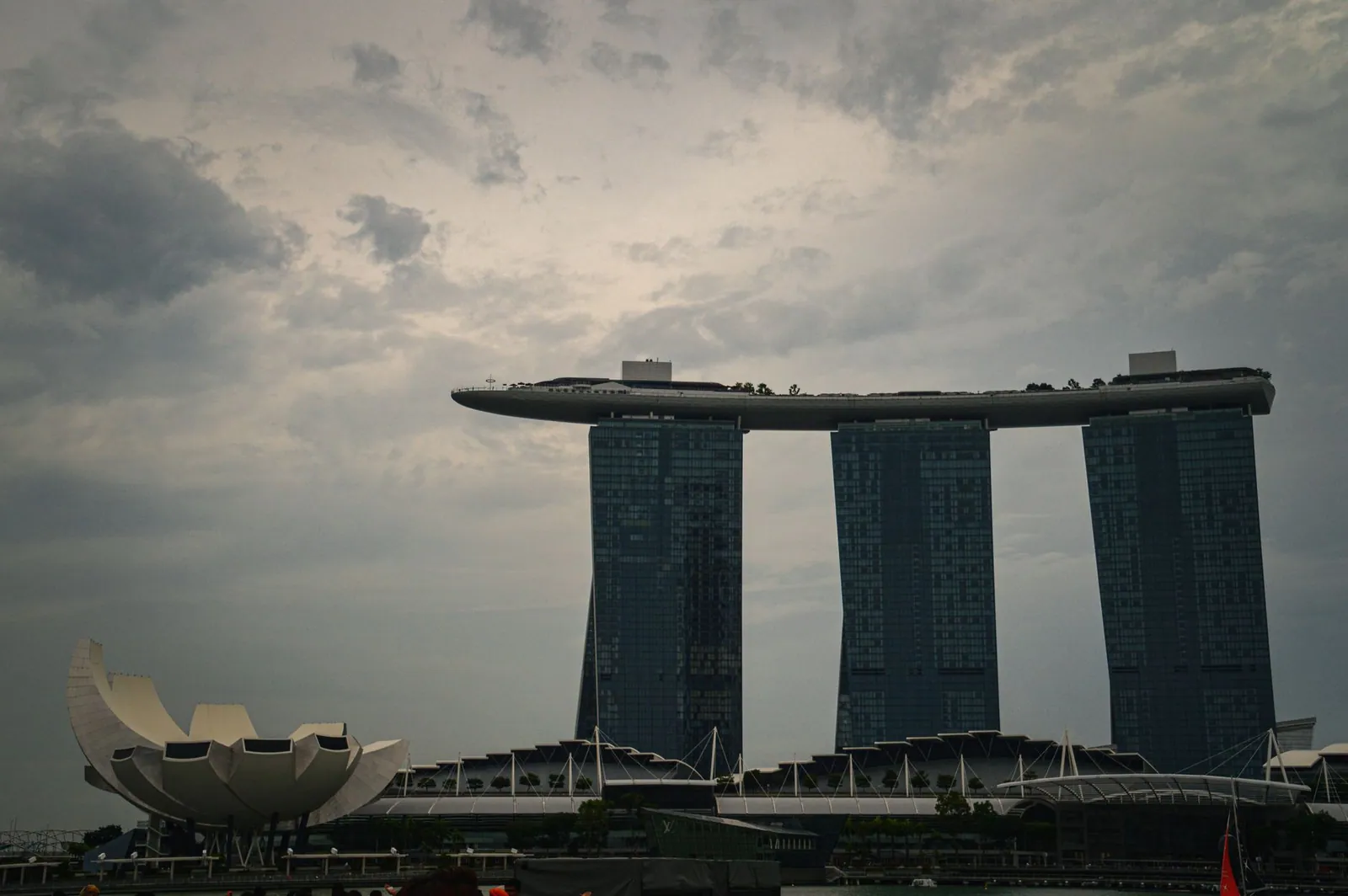
What to actually do with three hours: the Gardens by the Bay and Marina Bay area is the obvious answer and it is obvious for good reason, particularly after dark. A hawker centre is the other answer, and honestly the better one if you are choosing between them. Our things to do in Singapore page has the fuller list, and the Singapore travel guide sorts the neighbourhoods out.
The overnight connection
Changi is one of the very few airports where sleeping at the airport is a plan rather than a punishment. The transit hotels inside the terminals let you book by the hour, so a seven-hour overnight gap becomes five hours of actual sleep in an actual bed, and you fly on like a person.
If the gap is longer than about twelve hours, a city hotel becomes worth the transfer. Below that, stay inside and sleep. The maths is about the transfers rather than the room.
For a nervous or elderly traveller on an overnight connection, this is precisely why we route them through here. Our guide to flying with elderly parents explains the rest of that booking, but the hub choice is the single biggest lever, and Changi is the answer.
When the layover should become a stopover
Here is the recommendation we make most often, and the one clients most often have never considered.
If you have two nights available, stop properly. A Changi layover on the way to London or Delhi turns a brutal 24-hour journey into two civilised flights with a genuine city break in the middle. On a through-fare the airfare frequently barely moves; you pay for a hotel and you gain a holiday.
Two nights is enough for Marina Bay, one hawker centre that will change how you think about food, and a full night's sleep in a real bed. Our flights to Singapore page explains how the stopover prices, and it prices better than almost anyone expects.
For where to put those two nights: the MRT makes almost the whole island viable, so choose by what you want to walk to rather than by distance from the airport. Marina Bay is the one everyone pictures and the one worth it if this is a first visit. Chinatown and Bugis are better value and closer to the food that justifies the stop. Orchard Road is the shopping base, and the Katong and Joo Chiat shophouses are where Singaporeans send their own visiting relatives. Rooms are compact by Australian standards almost everywhere, so read the size before the star rating. Check Singapore hotel rates
Two dates to avoid if you can: the Formula One weekend in September, when the whole city prices like a final, and the Chinese New Year period, when half the good restaurants close. Ask us what a two-night Singapore stop costs on your next long-haul booking; the answer is usually a pleasant surprise, and we will tell you if your dates collide with either.
The travellers who do this once tend never to fly straight through again.
The mistakes we fix
Tight connections booked to save an hour. Changi's terminals are well connected, but some transfers involve a shuttle rather than the train. A 70-minute connection is not clever, it is a gamble on a route where the next service might be tomorrow.
Separate tickets meeting at Changi. The self-connect trap. If your first flight is late and the two bookings are unrelated, the second fare is simply gone. On one ticket the airline owns the problem. This is the single most valuable thing we do and it is invisible until the day it saves you.
Leaving the terminal with six hours. Doable, tight, and not enjoyable. Eight is the honest threshold.
Not knowing about the arrival card. It takes a few minutes online and it is not optional.
Let us build the connection properly and a consultant will come back within 2 business hours with the routing, the margin and the honest answer about whether your layover is long enough to be worth leaving the airport for. Or call 1800 865 126 and ask; we have sat in this terminal more times than we would like to count.